Creating a professional YouTube studio doesn't require unlimited budget or extensive technical knowledge. Successful YouTube channels range from bedroom setups to elaborate studios, proving that content quality and consistency matter more than expensive equipment. This guide helps you build a studio matching your budget while establishing a foundation for growth as your channel develops.
Defining Your Content and Needs
Before purchasing equipment, clearly define your content type and production requirements. Tutorial creators need clear screen capture and good audio. Vloggers require portable cameras with excellent autofocus. Review channels benefit from controlled lighting and stable camera positioning. Gaming channels demand quality screen recording and commentary audio. Your content determines equipment priorities and studio design.
Consider your filming location and flexibility requirements. Dedicated studio spaces allow permanent equipment installation and optimized acoustic treatment. Multipurpose rooms require portable equipment and efficient setup-teardown workflows. Define your space constraints early to guide equipment selection toward appropriate sizes and mounting options.
Budget-Conscious Studio Planning
Establishing budget tiers helps prioritize investments appropriately. Starter setups costing $500-$1000 provide everything needed for quality content using smartphones or basic cameras with essential accessories. Intermediate setups at $1500-$3000 include dedicated cameras, better audio equipment, and improved lighting. Advanced setups exceeding $5000 incorporate professional equipment delivering maximum quality and flexibility.
Invest progressively rather than purchasing everything initially. Start with essential equipment producing acceptable results, then upgrade components strategically as needs become clear and revenue develops. Many successful YouTubers began with smartphones and gradually built professional studios over time. Content consistency and quality matter more than equipment sophistication for channel growth.
Camera Solutions for Every Budget
Smartphones provide surprisingly capable starting cameras. Modern phones record excellent 4K video with sophisticated computational photography features. Use phones you already own, investing savings into lighting and audio that deliver greater impact on production quality. Phone-specific accessories including tripod mounts, external microphones, and lens attachments extend capabilities affordably.
Webcams serve static talking-head content adequately at minimal cost. Quality webcams offering 1080p or 4K recording cost $100-$200, providing plug-and-play convenience and acceptable image quality. Limitations include fixed lenses without optical zoom and modest low-light performance, but for desktop recording situations webcams offer excellent value.
Mirrorless and DSLR cameras deliver professional quality with interchangeable lenses and manual controls. Entry-level models costing $600-$1000 with kit lenses provide excellent starting points. As channels grow, invest in better lenses and additional camera bodies. The large sensor advantage over phones and webcams becomes most apparent in low-light situations and when creating shallow depth-of-field effects.
Essential Audio Equipment
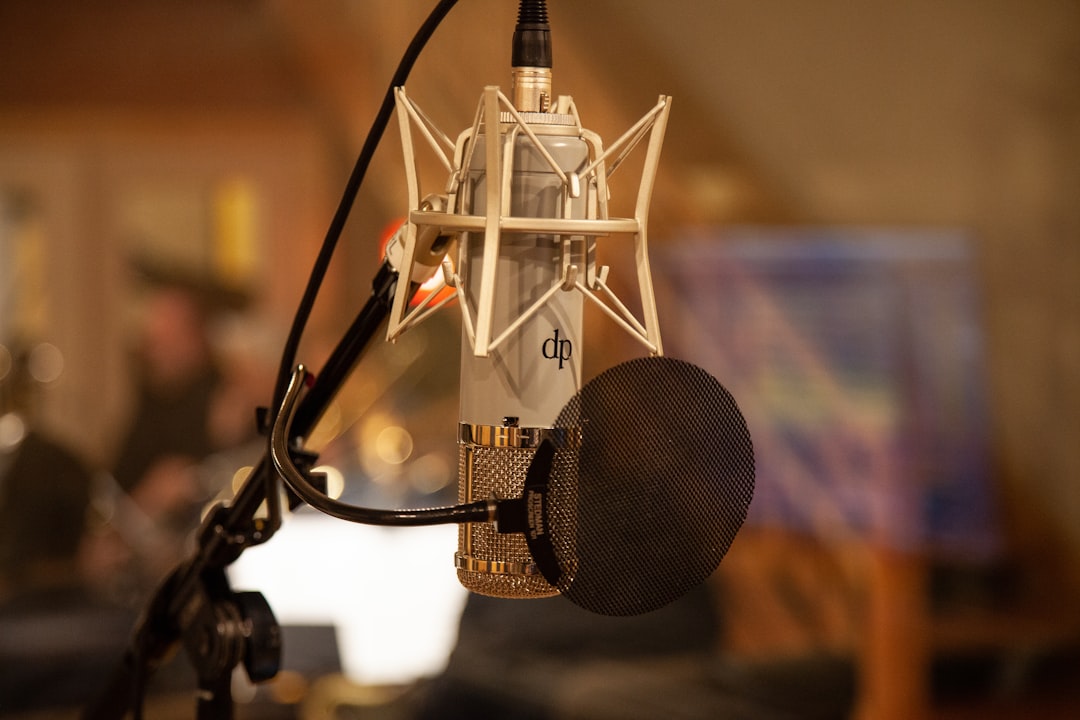
Audio quality impacts viewer retention more than video quality, making microphones priority investments. USB microphones connecting directly to computers offer convenience and quality for static recording situations. Models from reputable manufacturers deliver broadcast-quality audio for $100-$200, representing excellent value for most YouTube content.
Lavalier microphones clip to clothing, providing consistent audio despite subject movement. Wireless systems offer freedom while wired options cost less and avoid interference concerns. Lavaliers work excellently for presentations, tutorials, and any content requiring mobility. Invest in quality units from established audio companies for reliable performance.
Shotgun microphones mounted on cameras capture directional audio effectively. They excel for vlogging, interviews, and situations requiring portable audio solutions. Quality shotgun mics improve production value dramatically over built-in camera microphones. Combine them with wind protection for outdoor recording.
Lighting Fundamentals
Lighting transforms production quality more affordably than any equipment category. Natural window light provides beautiful soft illumination cost-free. Position yourself facing windows during daytime for flattering light. Add inexpensive reflectors to fill shadows and you've created effective lighting spending minimal money.
LED panel lights offer controllable, efficient lighting at reasonable prices. Two or three panels enable three-point lighting setups producing professional results. Look for panels with brightness and color temperature adjustment, providing flexibility for different content and times of day. Battery-powered panels add portability for location shooting.
Softboxes and diffusion materials soften light sources, creating flattering illumination. Large sources produce softer light, so bigger modifiers generally work better for talking-head content. Affordable softbox kits include stands and basic continuous lights, providing complete lighting solutions for under $200. As budgets allow, upgrade to higher-quality LED panels while reusing modifiers.
Background and Set Design
Backgrounds significantly impact production aesthetics while requiring minimal investment. Clean, uncluttered backgrounds look professional without costing anything. Remove distracting elements, organize shelves attractively, and ensure walls appear clean and well-maintained. Simple attention to background cleanliness improves production value immediately.
Seamless paper backgrounds provide clean, professional looks for product reviews and certain content styles. Available in many colors, paper backgrounds cost modestly and mount using simple stand systems. Replace damaged sections economically. Paper backgrounds suit content where consistent, neutral backgrounds enhance rather than distract from subjects.
Practical sets using existing furniture, plants, and decor create personality while maintaining professionalism. Arrange elements considering background appearance from camera position. Include items reinforcing your channel's niche or personal brand. Practical sets feel authentic and relatable while avoiding sterile, generic appearance of plain backgrounds.
Essential Accessories and Support Equipment
Tripods stabilize cameras for static shots, essential for professional-looking content. Invest in tripods rated for your camera's weight with fluid heads enabling smooth panning and tilting. Avoid ultra-cheap tripods that wobble or fail to hold positions. Quality tripods last years and support various cameras as you upgrade.
Camera sliders and gimbals add production value through dynamic camera movements. Sliders create smooth tracking shots while gimbals enable handheld movement without shakiness. Consider these after establishing solid static shooting capabilities. Movement enhances certain content but isn't essential for all channels.
Teleprompters help maintain eye contact while reading scripts, particularly valuable for educational and informational content. Affordable teleprompter solutions using tablets or smartphones cost under $100. Position them correctly around your lens for natural eye contact appearance. Practice with teleprompters to develop smooth delivery that doesn't appear scripted.
Editing and Post-Production Setup
Computers need adequate power for smooth video editing. Minimum specifications include current processors, 16GB RAM, and dedicated graphics cards for hardware acceleration. Storage is critical as video files consume significant space. Combine fast SSD drives for active projects with larger HDD drives for archiving completed projects.
Editing software ranges from free options like DaVinci Resolve to professional solutions like Adobe Premiere Pro. Start with free software to learn editing fundamentals before investing in paid options. Software proficiency matters more than which specific program you choose. Master one program thoroughly rather than constantly switching between options.
Color grading and audio mixing elevate production quality in post-production. Learn color correction basics to ensure consistent, appealing image appearance. Understand audio mixing including level setting, EQ, compression, and noise reduction. Many creators overlook post-production learning, but these skills significantly improve finished content quality.
Workspace Organization and Efficiency
Efficient workspace organization saves time and reduces frustration. Dedicate storage for all equipment with logical organization enabling quick setup. Label cables and use cable management solutions preventing tangles. Create checklists for camera settings, lighting positions, and other technical aspects ensuring consistency between filming sessions.
Permanent setups in dedicated spaces maximize filming efficiency. Leave cameras, lights, and microphones positioned and ready. Mark positions with tape for repeatable placement. This consistency maintains visual continuity between videos and eliminates setup time before each filming session. Permanent setups work best for channels maintaining consistent formats and filming styles.
Conclusion
Building a professional YouTube studio scales to any budget through strategic planning and prioritized investments. Start with essential equipment delivering acceptable quality, focusing on audio and lighting before expensive cameras. Define your content type clearly, letting production requirements guide equipment selection. Invest progressively as your channel grows and needs become clearer. Master each piece of equipment thoroughly before adding complexity. Learn fundamental production techniques including lighting, composition, and audio that improve results regardless of equipment. Develop efficient workflows through organized workspaces and repeatable processes. Remember that compelling content and consistent uploads build channels more effectively than expensive equipment. Focus on storytelling, audience value, and regular publishing while gradually improving technical quality. Your studio will evolve with your channel, supporting increasingly sophisticated production as your skills and resources develop. The most important investment is time spent creating content and connecting with your audience. Equipment enables better execution of your creative vision but never replaces engaging content and authentic presentation.